
What Shapes the Cost of a Home Solar Installation System?
Learn what a home solar estimate covers, how equipment and system size affect the bill, how to compare installer quotes, and which costs to check.

A home solar installation cost depends on the system’s size, panels and inverter, roof work, electrical upgrades, permits, and whether you add a battery. To understand the total, check what each quote includes, compare equivalent equipment and installation work, and ask about exclusions, payment terms, warranties, and ongoing charges before deciding.
A low headline price may cover only panels and basic installation, while another estimate includes monitoring, a battery, or extra electrical work. Ask installers to separate equipment, labor, and optional items so you can see what accounts for differences.
Use the checklist below to compare like with like, assess the system that fits your household, and identify costs that could appear after the initial estimate.
- Check that each estimate separates equipment, labor, permits, and possible exclusions.
- Compare system size and equipment against your household’s use, not just the headline price.
- Ask installers to match the scope and explain warranties, payment terms, and extra-work charges.
- Get optional battery costs and all key agreement terms in writing.
What a home solar installation estimate includes
Read every cost line
A useful estimate separates the panels, inverter, mounting hardware, wiring, labor, and any battery from the final total. It should also identify the system’s proposed capacity and describe the work included, such as connecting the system to your home’s electrical supply. For an equipment quote priced in Turkish lira, checking serbest piyasa döviz kurları can help compare its converted amount with another quote.
Look for charges tied to the property rather than the equipment itself. Roof access, scaffolding, panel removal, electrical upgrades, permits, inspections, and grid-connection applications may be itemized separately or included in the installation charge. If a line is described only as “miscellaneous” or “site work,” ask what tasks it covers before treating the estimate as complete.
Check whether the quoted total includes taxes, delivery, commissioning, and any required monitoring equipment. Confirm the estimate’s validity period and whether the installer can revise it after a roof or electrical inspection. A written breakdown makes it easier to compare proposals and gives you a record of what the installer has agreed to provide.
Check what is excluded
An exclusion can change the amount you ultimately pay even when the main equipment and labor are clearly priced. Ask whether roof repairs, replacement of an aging electrical panel, trenching, or changes to the meter are outside the quoted scope. These needs depend on the house, so an installer may not be able to confirm them until a site assessment.
Clarify who handles approvals and coordination with the utility or grid operator. Some proposals include application work and required inspections, while others leave the homeowner to arrange or pay for them. Ask what happens if an approval requires a design change, and whether the installer will explain any added cost before carrying out extra work.
Request a list of assumptions behind the estimate, including roof condition, cable routes, and the location of the inverter. If those assumptions prove wrong, the installer should explain how the change will be assessed and approved. A clear process for variations can prevent a surprise invoice and help you distinguish necessary work from optional upgrades.
- Ask whether taxes and delivery are included.
- Confirm who arranges permits and grid applications.
- Check for roof and electrical work exclusions.
- Get approval before extra work begins.
How system size and equipment shape the bill

Match capacity to household use
System size affects the amount of equipment and installation work, but the largest array is not automatically the best value for a home. Compare the proposed capacity with your household’s electricity use and the times you use power. An online döviz çevirici can help translate a foreign-currency equipment quote into the currency used for your household budget.
An installer should explain the assumptions behind the recommended size, including roof area, shading, and expected household demand. If your electricity use changes during the day, ask how much of the solar generation you are likely to use directly. A system that generates more than the home can use may have different value depending on local export rules and compensation.
Consider foreseeable changes, such as an electric vehicle or a heat pump, but ask the installer to show how these affect the design and estimate. Adding capacity later may require new equipment or additional labor, while installing too much now can raise the initial outlay. Compare the proposed system with your current needs and plausible plans, not an unexplained sales target.
Compare equipment choices
Panels, inverters, and batteries each affect the estimate, and products with different features should not be treated as interchangeable. Ask for the proposed equipment’s make and model, warranty terms, and expected role in the system. If an installer offers alternatives, request the price and performance implications for each rather than relying on a general label such as “premium.”
The inverter converts panel output into electricity your home can use, so its type and location matter to the design. A battery adds storage equipment and installation work, but whether it suits you depends on when you use electricity and the value of storing rather than exporting it. Ask for a separate battery price if storage is optional.
Check that the estimate explains monitoring, safety equipment, mounting hardware, and any system controls required for the proposed setup. Different designs may need different wiring or roof attachments, so compare the whole installed system rather than one component’s specification. Ask the installer to explain how equipment warranties relate to installation and who handles a fault.
- Record panel and inverter models.
- Separate optional battery costs.
- Compare warranty coverage and responsibilities.
How to compare installer quotes fairly
Compare matching scopes
Compare quotes by matching system capacity, equipment, included work, and assumptions before looking at the final totals. A proposal with fewer panels or no electrical upgrades is not directly comparable to one that includes them. Put the key details side by side, then ask each installer to clarify gaps using the same questions.
Check whether each quote covers the same site assessment, roof mounting, wiring, commissioning, permits, and grid-connection steps. Also compare the proposed completion process and what documentation you receive after installation. If an installer recommends a different design, ask for the reason and have the effect on cost and household use explained in writing.
A lower quote deserves closer checking, not an automatic rejection or acceptance. It may reflect a simpler layout, different equipment, or work left outside the scope; it may also be a competitive offer for equivalent work. Ask what would trigger extra charges and whether the installer will obtain your written approval before changing the agreed price.
| Comparison method | What to check | Best used for |
|---|---|---|
| Side-by-side scope | Equipment and included work | Finding missing items |
| Written clarifications | Assumptions and extra charges | Resolving quote gaps |
| Terms review | Warranties and payment duties | Assessing service and risk |
Check service and terms
The estimate should state who is responsible for design, installation, inspections, and support if a problem appears. Ask whether the installer’s workmanship is covered separately from equipment warranties, and how to report a fault. A clear contact and service process helps you judge the offer beyond its upfront cost.
Read the payment schedule and cancellation terms before signing, including what is due before equipment arrives and what is payable after commissioning. Check how changes are priced and whether deposits or other payments are refundable under stated conditions. If anything is described verbally but matters to your decision, request that it be added to the written agreement.
Use consistent questions with each installer so the answers are comparable rather than shaped by different sales presentations. Find out what handover documents you will receive, such as system details and operating guidance, and whether monitoring setup is included. Ask for references or evidence of relevant installation experience where appropriate, then consider those alongside the written scope and terms.
- Compare workmanship coverage separately from product warranties.
- Read payment, cancellation, and change-order terms.
- Confirm handover documents and service contacts.
Choose a setup around your roof, electricity use, and budget rather than adding every available feature.
Which solar setup and payment options suit your home
Choose a practical system
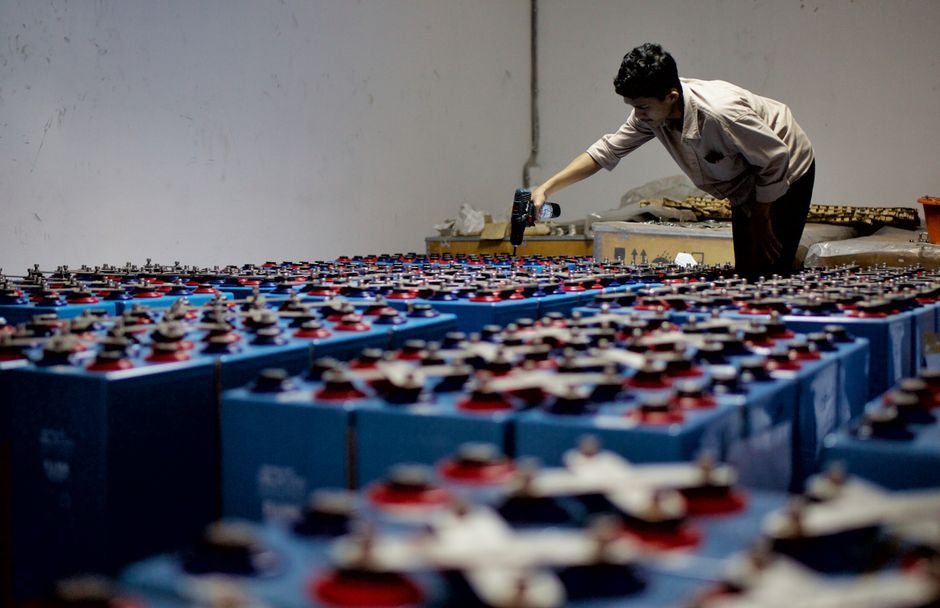
Choose a setup around your roof, electricity use, and budget rather than adding every available feature. A grid-connected panel system may meet daytime household demand, while a battery can store surplus electricity for use later. Ask the installer to show the additional installed cost and explain how the battery changes the system’s expected operation.
A roof with limited suitable space may call for a different panel layout or a smaller system, while shading can affect where equipment is placed. Ask whether the proposal accounts for the roof’s orientation, obstructions, and condition. If repairs are needed, compare the timing and scope of that work with the installation plan before committing.
Consider how you expect to use electricity over the coming years, including any planned home upgrades. An installer can model different system sizes or battery choices, but request the assumptions behind each comparison. This makes it easier to decide whether an optional feature addresses a real household need or simply adds cost and complexity.
Review payment choices
Compare the total cost and obligations of each payment route, not just the amount due at signing. An upfront purchase, financing plan, or lease can assign ownership, maintenance duties, and system benefits differently. Ask for the full payment schedule and all applicable charges, then check how long you remain committed under the agreement.
If financing is offered, read the interest, fees, repayment period, and conditions for early repayment in the written terms. Confirm whether the quoted installation price changes when you choose financing and who owns the equipment during the agreement. Compare the total amount payable with the cash price, using the same system scope and included services.
For a lease or other third-party arrangement, ask who maintains the equipment, who receives any export compensation, and what happens if you sell the home. Check whether transferring the agreement requires approval or additional steps. If a payment option is unclear, request a plain-language explanation and take time to review the contract before signing.
- Compare total payments with the cash price.
- Confirm equipment ownership and maintenance duties.
- Check transfer terms if you sell your home.
How roof and electrical work can add costs
Check Roof Condition First
Ask the installer to inspect the roof before treating the panel price as a complete project estimate. Repairs, replacement roofing, or structural reinforcement can add work that is difficult to price accurately from photographs alone. Request a written description of any recommended work, who will perform it, and whether it is included in the quoted total.
- Roof repairs can change the project total substantially.
- Get recommended work described and priced separately.
- Check removal and reinstallation terms before signing.
The roof’s age matters because panels may need to be removed and reinstalled if roofing work is due soon. Ask how the installer handles that situation and whether removal, storage, and reinstallation are covered by the workmanship terms. If the roof needs repair, compare the cost and timing of doing it before installation with postponing the solar project.
For a quote tied to US-dollar-priced equipment, checking dolar kaç TL oldu can help you understand the currency basis of the estimate. Treat the exchange rate as context, not a guaranteed final price, since suppliers may use different pricing dates or purchasing terms. Make sure the quote states its currency, validity period, and any conditions that could change the equipment cost.
- Ask for an on-site roof inspection.
- Request separate prices for repairs and reinforcement.
- Confirm who handles future panel removal and reinstallation.
Electrical Upgrades And Access
Electrical work can add cost when the existing service panel cannot safely accommodate the solar system. An installer may recommend a panel replacement, a service upgrade, or changes to wiring; ask which condition requires each item and whether an electrician has assessed it. A specific diagnosis is more useful than a vague allowance for electrical work.
The route between the panels, inverter, meter, and service panel can also affect labor and materials. Long cable runs, difficult access, or a need to conceal wiring may require extra time or equipment. Ask the installer to identify these features during the site visit and explain any allowance for them in the estimate.
Grid connection work is another possible line item, depending on local utility requirements and the home’s existing equipment. Clarify whether application preparation, inspections, meter changes, and connection fees are included or billed separately. When responsibilities are divided between installer and utility, ask who contacts each party and who follows up if approval is delayed.
How imported equipment and currency changes affect quotes
Understand Currency Exposure
Check whether an estimate is fixed in your local currency or linked to a foreign-currency equipment price. Imported panels, inverters, or batteries can expose a quote to exchange-rate movement between pricing and purchase, but the terms vary by supplier. Ask what currency underlies the price, when the rate is set, and whether the quoted amount can change before installation.
- Mistake: assuming a local-currency quote cannot change; better approach: check adjustment terms.
- Mistake: comparing only the equipment subtotal; better approach: compare the complete installed cost.
- Mistake: overlooking quote expiry; better approach: confirm how long the price is held.
A quote may list equipment in local currency while still allowing adjustments if the supplier’s costs move. Look for wording about exchange rates, import charges, and price validity, then ask the installer to explain any unclear clause in writing. A firm total with clear exclusions is easier to compare than a low headline price with open-ended adjustments.
Currency shifts do not affect every component in the same way. Locally sourced labor and some installation materials may be priced separately from imported equipment, while shipping or customs costs may have their own terms. Ask for equipment, labor, and other charges to be broken out so you can see which parts of the estimate carry the most uncertainty.
- Identify the quote’s currency basis.
- Check the validity period and adjustment clauses.
- Separate equipment, labor, and import-related charges.
Compare Supply And Warranty Terms
Compare equipment by model and specification, not by broad labels such as premium or high efficiency. A quote should identify the proposed panel, inverter, or battery and explain any substitutions allowed if stock changes. If a model is unavailable, ask whether you must approve a replacement and whether a different specification changes the price.
Warranty coverage is part of the value of imported equipment, but the headline term alone does not tell the whole story. Check who handles a claim, whether labor and shipping are covered, and what proof of purchase or installation is required. A warranty that requires the homeowner to manage overseas returns may be less practical than local support.
Ask whether the supplier’s stated delivery and warranty conditions apply in your location. Importing can affect lead times, replacement-part availability, and the process for resolving a fault, though these details differ among products and suppliers. Have the installer explain how service requests are handled after installation and record the responsible contact in the contract.
Common pricing pitfalls to watch for
Find Missing Scope And Fees
A low total may leave important work outside the quoted scope, so compare inclusions before judging the price. Check whether installation, wiring, permits, inspections, grid-connection tasks, and commissioning are covered, and identify any amount described as an allowance. Ask for every exclusion to be listed with a likely cost or a clear explanation of who will arrange it.
Payment schedules deserve the same attention as the headline price. Confirm the amount due at each stage, what work triggers payment, and how the contract handles delays or cancellation. Avoid paying for work that has not been completed unless the agreement clearly explains the payment basis and the protection available if the project does not proceed.
A quote can also become unclear when it bundles several services into one broad line. Ask the installer to distinguish equipment, labor, electrical work, and administrative charges, even if the supplier will not provide every underlying purchase cost. A readable breakdown helps you spot duplicated tasks and compare equivalent offers without assuming that the cheapest total is the best value.
- Check permits, inspections, and connection tasks.
- Identify allowances and excluded work.
- Match payments to defined project milestones.
Read Contract Protections Closely
Before signing, check what happens if a site inspection reveals additional work or a proposed system cannot be installed as planned. The contract should explain how changes are approved, priced, and documented, rather than leaving the installer free to add charges without your consent. Keep written records of revisions and confirm that the final design matches the agreed price.
Be alert to vague promises about savings or project timing that are not tied to clear assumptions. Household savings depend on factors such as electricity use, tariffs, system output, and how much power is used while the system is generating. Ask for the assumptions behind any estimate and keep projected savings separate from the installation cost you must pay.
Make sure cancellation, delay, and workmanship terms are understandable before making a deposit. Check whether the agreement names the party responsible for permits, utility coordination, and repairs to installation-related damage. If a clause is unclear, ask for a plain-language explanation and a revised written version before signing, rather than relying on an informal conversation.
Practical ways to keep your solar project on budget

Set A Useful Project Budget
Set your spending limit around the complete installed system, not just the panels and inverter. Include likely roof or electrical work, permits, connection charges, and a reserve for items that an inspection has not yet confirmed. Ask each installer to separate firm prices from provisional allowances so you can see how much of the total remains uncertain.
- ☐ Write down your total project budget.
- ☐ List roof and electrical work still to confirm.
- ☐ Compare matching system specifications and inclusions.
- ☐ Keep written approval for every price change.
Decide which outcomes matter most before asking for revised proposals. A homeowner focused on lowering upfront cost may choose a different configuration from someone prioritizing backup power or room for future expansion. Tell installers your priorities and ask them to price a practical base option alongside any upgrades, rather than paying for features you may not use.
Use the same project assumptions when requesting and comparing revised quotes. Keep the proposed system size, equipment models, roof work, and included services consistent, then ask each installer to state the cost of any difference. This makes trade-offs visible and helps prevent an apparently cheaper offer from relying on a smaller system or a narrower scope.
- Set a complete-project spending limit.
- Separate fixed costs from allowances.
- Price optional upgrades apart from the base system.
- Compare offers using matching assumptions.
Reduce Cost Without Cutting Corners
Prioritize work that protects the roof, electrical safety, and system reliability; cutting those items can create larger costs later. If the estimate includes an optional upgrade, ask what practical problem it solves and whether a less costly configuration would meet your needs. Request the effect on total price and system operation in writing before deciding.
You can often improve quote clarity without changing the equipment by asking for a site-specific assessment and a complete scope. Have the installer confirm roof access, cable routes, service-panel capacity, and utility requirements before final pricing. Fewer unresolved site questions mean fewer surprises after work begins, though no estimate can guarantee that concealed conditions will never emerge.
Keep one organized record of quotes, drawings, equipment specifications, approvals, and payment receipts. When a change is proposed, compare it with the original scope and ask for the reason, revised cost, and schedule effect before authorizing work. This simple habit gives you a clear account of decisions and makes it easier to resolve misunderstandings during installation.
Frequently asked questions
How long should I expect a home solar quote to remain valid?There is no universal validity period; it depends on the installer’s terms, equipment availability, and exposure to supplier or currency changes. Check the expiry date and ask whether the price is held after you sign or only after a deposit or equipment order. If the quote expires, request an updated written version and compare its scope with the original before agreeing.
Should I get a roof inspection before choosing an installer?A roof assessment before signing can reveal repairs, access problems, or structural concerns that affect the project price. Ask prospective installers whether they inspect the roof in person and how they document findings. If the roof is nearing the end of its useful life, compare the cost and disruption of repairing it before panels are installed with the possibility of removing and reinstalling the system later.
What should I do if an installer finds unexpected work after installation begins?Pause approval of the extra work until you receive a written explanation of what was found, why it is needed, and how it changes the price and schedule. Compare the proposed change with the contract’s variation terms and ask who is responsible for the decision. Keep copies of photographs, revised drawings, and approvals so the final invoice can be checked against the agreed changes.
Can a cheaper solar system still be the better choice?Yes, if it meets your household’s needs and its quote includes comparable equipment, installation work, and service terms. A lower price may also reflect a smaller system, fewer included tasks, or less support, so compare specifications and exclusions rather than totals alone. Ask each installer to explain the practical trade-offs, including how any proposed change affects expected generation or backup capability.
Make the Estimate Work for Your Home
A dependable solar budget starts with a complete scope: equipment, labor, roof and electrical work, approvals, and any charges that could change before installation. Compare quotes only after checking that they describe the same system and responsibilities. Clear terms for allowances, currency exposure, warranties, and changes help explain why estimates differ and reduce the chance of surprise costs.
Your next step is to ask each installer for a site-specific, itemized quote that separates confirmed prices from provisional work. Check the roof and service panel, confirm the contract’s adjustment and payment terms, and put every agreed change in writing. With those details in hand, you can weigh the total cost against the system and service your home actually needs.
Add Solar Panels for Homes as a preferred source on Google


