
How to Estimate the Cost of a Home Solar Installation
Learn how to estimate rooftop solar costs by sizing a system, comparing equipment and labor, weighing battery options, and checking installer quotes.

A useful solar installation cost estimate starts with the system size your household needs, then adds panels, an inverter, mounting equipment, labor, permits and any battery. Compare itemized quotes for the same system capacity and equipment scope, and check what each price excludes. Your roof, local rules and electricity use can all change the final figure.
Begin with recent electricity bills and your roof’s usable area, then ask installers to explain the system’s expected output and assumptions. A lower quote may reflect different equipment, less work included or no battery, so compare the details rather than the headline total.
This guide breaks the estimate into practical components, shows how to make a first-pass system calculation, and explains how equipment choices and site conditions affect costs. Use it to prepare for installer conversations and identify questions that deserve a written answer.
- Build estimates from a year of electricity use and a realistic roof assessment.
- Compare itemized quotes with matching system capacity, equipment and included work.
- Price batteries separately and confirm their backup capability.
- Check exclusions, local requirements and any assumptions that could change the final total.
What a home solar installation estimate includes
Separate the main cost components
A complete estimate should separate equipment, labor and project-related charges so you can see what the total covers. Equipment commonly includes panels, an inverter, mounting hardware, wiring and monitoring; labor covers installation and electrical work. Permits, inspections, system design and grid connection paperwork may also appear as separate line items or bundled services.
- Mistake: comparing totals with different equipment scopes; better approach: match system capacity and included components.
- Mistake: assuming roof or panel upgrades are covered; better approach: ask for exclusions in writing.
- Mistake: treating projected output as guaranteed; better approach: check the assumptions behind the estimate.
Ask whether the quoted amount includes taxes, delivery, roof repairs, electrical upgrades and commissioning, because these can be treated differently by each installer. For example, a price may include standard mounting but exclude work needed to replace an aging electrical panel. An itemized estimate makes those differences visible before you compare totals.
Look for a clear description of the system’s capacity, panel and inverter models, and expected annual production. The estimate should also identify the warranty coverage and who handles permits and inspection arrangements. If a proposal gives only a single total, request a written breakdown and clarification of any assumptions that could affect the installed system.
- Panels and inverter
- Mounting, wiring and monitoring
- Design, permits and inspections
- Installation labor and electrical work
Check what the quote promises
A quote is useful only when its scope is specific enough to verify. Check that it names the proposed equipment, system capacity, installation work, expected production and the responsibilities for permits, inspections and utility paperwork. If a detail is missing, ask the installer to add it rather than relying on a verbal explanation.
Warranty terms need separate attention because product coverage and workmanship coverage address different problems. Product warranties relate to components, while workmanship terms concern installation faults; neither automatically explains who pays to remove and reinstall panels during roof work. Ask for the actual documents and confirm how to make a claim before accepting the proposal.
Check the payment schedule and the conditions that could change the quoted total. A proposal may be conditional on a roof inspection, electrical assessment or final design, so ask what happens if that review finds extra work. Keep the written proposal and any revisions together, giving you a clear record if the scope changes.
How to estimate the size and cost of a system

Start with household electricity use
Use a full year of electricity bills to understand how much energy your household consumes and how use changes by season. If bills show only charges, find the energy units used on each statement or request consumption data from your provider. A single month can mislead because heating, cooling and household routines vary through the year.
- ☐ Collect a full year of electricity use.
- ☐ Mark seasonal peaks and likely future demand changes.
- ☐ Check usable roof area, orientation and shade.
- ☐ Request the installer’s expected production and assumptions.
Next, consider when your household uses electricity, not just the annual total. Solar panels produce power during daylight, while evening demand may require grid electricity or storage. If you can shift tasks such as laundry or charging to sunny hours, a smaller share of your consumption may need to be supplied later.
Treat a first-pass system size as a planning range, not a final design. Roof orientation, shading, panel layout and local sunlight affect how much electricity a given capacity can produce. Ask installers to show their production assumptions and explain how they translated your consumption into the proposed system size.
- Gather a year of bills or consumption records
- Note seasonal changes and daytime use
- Identify planned electric appliances or vehicles
- Ask how roof shading affects output
Turn system size into a budget
Once you have a plausible system size, request estimates from several installers using the same capacity and scope. Compare the installed total alongside equipment models, labor, permits and exclusions; otherwise, a smaller or less complete proposal can appear cheaper. Ask each company to state whether the estimate could change after a site survey.
For a rough planning exercise, separate the base system from optional additions such as a battery or electrical work. This helps you see which choices drive the estimate and lets you ask for alternative configurations. Avoid treating an online calculator as a quote, since it cannot inspect your roof or confirm local requirements.
Consider the value of the electricity the system can actually supply, rather than assuming every unit generated offsets a unit bought from the grid. Export compensation, time-based tariffs and household usage patterns influence savings. Ask installers to state the assumptions behind any savings or payback projection and compare those assumptions with your utility arrangements.
Compare equipment, installation and battery options
Compare system configurations
Compare proposals on more than panel capacity: inverter design, monitoring, mounting method and included electrical work can change both the system and the estimate. Ask whether the inverter is central or uses module-level equipment, and why that approach fits your roof. A shaded or complex roof may call for a different design than a clear, simple layout.
Battery storage is an optional cost whose usefulness depends on your goals and local grid arrangements. A battery can store some daytime generation for later use, but its capacity, power output and backup capability are distinct features. Ask for a separate battery price and a clear explanation of what loads it can support during an outage.
Compare proposals using an identical set of needs, including whether backup power is required and which appliances matter most. Some systems may provide limited backup rather than powering an entire home, and additional electrical equipment may be needed. Confirm how the battery integrates with the inverter and whether the quoted installation includes setup and commissioning.
- Match panel capacity and equipment scope
- Compare inverter approach and monitoring
- Ask for battery pricing separately
- Confirm backup loads and electrical work
| Choice | What it includes | Best suited to |
|---|---|---|
| Grid-connected solar | Panels, inverter and grid connection | Households seeking daytime generation |
| Solar with battery | Solar equipment plus energy storage | Households shifting some solar use to later |
| Solar with backup | Storage and equipment for selected circuits | Households prioritizing essential outage loads |
Weigh features against your needs
Choose equipment for the roof and household rather than selecting a proposal by its brand names alone. Review product warranties, installation coverage, expected output and service arrangements, then ask what happens if a component fails. A documented reason for each design choice is more useful than a broad claim that one system is simply better.
Ask installers to price a standard grid-connected system and any battery or backup configuration as separate options. This shows the added cost of storage without obscuring the core solar installation. If you are considering backup, list essential circuits such as refrigeration or lighting and verify exactly which ones the proposed design can serve.
A larger system is not automatically a better investment if the roof cannot produce enough or exported electricity receives limited credit. Conversely, a system designed only around current use may be restrictive if you expect an electric vehicle or electric heating. Discuss likely changes with the installer and request a revised design rather than relying on an informal estimate.
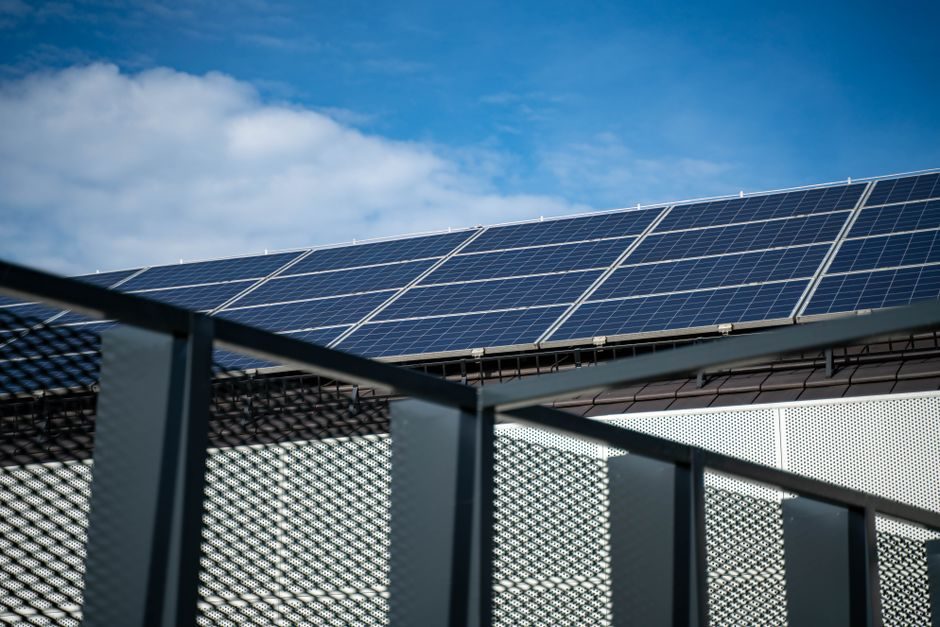
Roof condition, shape and access can affect installation labor and the materials needed to mount panels safely.
What can change the final installation cost
Account for roof and electrical work
Roof condition, shape and access can affect installation labor and the materials needed to mount panels safely. A steep roof, awkward layout, limited access or shading obstacles may require additional design or work. Ask whether the installer has inspected the site and whether the proposal assumes any roof repairs before installation begins.
- Roof condition and access can change labor and mounting requirements.
- Electrical upgrades should be explained and itemized.
- Confirm who handles permits, inspections and grid connection.
Electrical upgrades can add work when existing equipment is unsuitable for the planned system or local requirements. The installer may need to assess the electrical panel, wiring, grounding and connection point before confirming the design. Request a written explanation of any proposed upgrade and whether it is necessary for safety, compliance or system performance.
Permits, inspections and grid-connection steps vary by location, and responsibilities can sit with different parties. Confirm which applications the installer will prepare, which fees are included and whether you must contact your utility. An estimate should distinguish known charges from items that remain subject to approval or a site assessment.
- Ask whether the roof has been inspected
- Confirm electrical upgrades and their reasons
- Check permit and inspection responsibilities
- Clarify utility connection steps and fees
Allow for design and policy differences
Local rules and utility arrangements can affect the equipment configuration and project scope. Export limits, connection approvals or metering requirements may influence system design, while available incentives can change the net cost. Check current terms with the relevant authority or utility, and ask the installer to identify which assumptions are reflected in the estimate.
A site survey can reveal conditions that an initial remote estimate cannot confirm, including roof obstructions, cable routes and equipment placement. Ask the installer to identify which findings could change the price and to seek approval before carrying out extra work. A clear change process helps prevent an unexpected revision from being treated as automatic.
Compare the final written proposal against the original estimate after the design and site checks are complete. Confirm the system capacity, equipment, total, exclusions, schedule and payment milestones, then make sure any incentive or export assumption is still valid. If a change is unexplained, ask for a revised breakdown before signing or paying a deposit.
Check installer credentials and compare quotes
Verify the people doing the work
Before comparing totals, confirm who will design and install the system and who is responsible if something goes wrong. Ask whether the installer holds the electrical and solar qualifications required in your area, and request evidence of relevant insurance. Requirements vary by country and region, so check the appropriate local licensing or consumer-protection authority.
Ask for references from recent residential projects and, where possible, speak with a homeowner whose roof and system resemble yours. Find out whether the installer completed the work directly or subcontracted it, and ask who will handle service calls. A clear answer helps you judge whether the company can support the system after installation.
Search for complaints through local consumer agencies, trade bodies, or licensing authorities, and read reviews for recurring themes rather than isolated praise or criticism. A pattern of missed appointments or unresolved defects matters more than a single disagreement. Homeowners comparing local installers may find Local Seo Services useful for understanding how businesses make their services visible in local search.
Compare quotes on equal terms
Request written quotes based on the same assumptions, including system capacity, panel and inverter models, mounting equipment, and any battery. Compare the estimated annual generation and the assumptions behind it, such as roof orientation and shading. A lower total may reflect a smaller system or omitted work rather than better value.
Check whether each price includes site assessment, electrical upgrades, scaffolding, permits, monitoring, commissioning, and grid-connection paperwork. Ask the installer to identify exclusions and explain how any provisional costs could change. When a quote uses broad labels such as “electrical work,” request a description of the specific tasks covered.
Compare the proposed equipment warranties, workmanship coverage, payment schedule, and estimated timeline alongside the total price. Ask how the installer handles changes discovered after work begins and whether approval is required before extra charges. Keep the original quotes and written answers together; this makes differences easier to see and gives you a reliable record if questions arise.
- Match system capacity and equipment models
- Check exclusions and provisional costs
- Compare warranties and payment terms
- Get changes approved in writing
Understand warranties, permits and grid connection
Read warranty coverage carefully
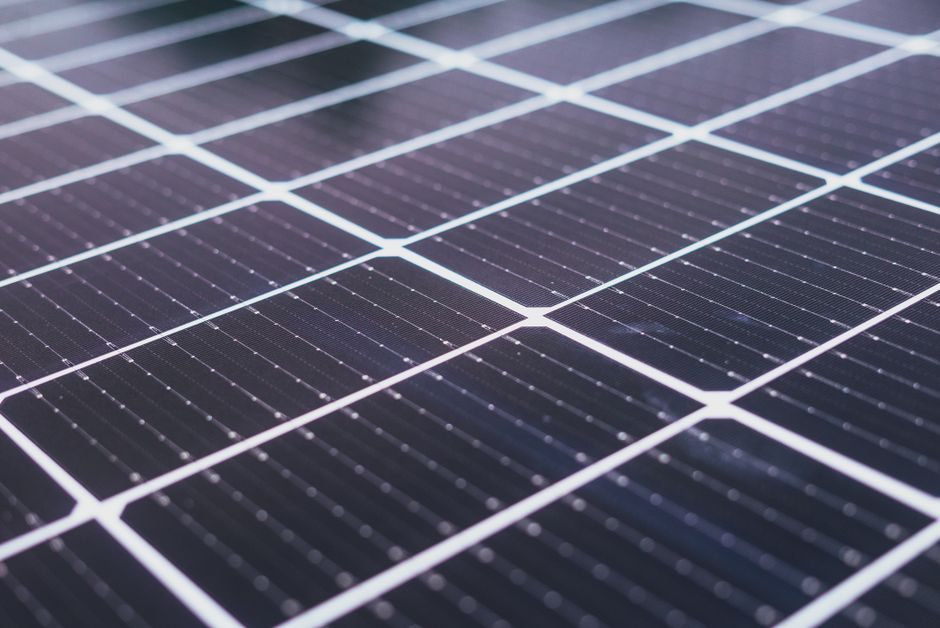
Separate the warranties for panels, inverters, batteries, and installation work; they protect different parts of the project. Ask who provides each warranty, how long coverage lasts, and what process applies if equipment fails. A long product warranty does not necessarily cover the labor or travel involved in diagnosing and repairing a fault.
Read exclusions as closely as the coverage itself. Conditions may relate to installation by an approved professional, maintenance, environmental exposure, or unauthorized changes, so ask the installer to explain any terms that affect your roof or location. Keep warranty documents, equipment serial numbers, and commissioning records where you can retrieve them later.
Clarify whether the installer or manufacturer is your first contact for a claim, and what happens if the installer ceases trading. If you are comparing installation providers, Seo Services can offer context on how businesses present information about their services online. Treat marketing descriptions as a starting point and rely on the written warranty terms before making a decision.
Confirm approvals and export terms
Ask the installer which permits, inspections, and utility approvals apply before panels are mounted. The responsible authority differs by location, and some projects require approval from a building department, electrical inspector, utility, or network operator. Get a written list of required applications and confirm who submits each one and who pays any associated fees.
Grid connection is not automatic simply because a system is installed. The utility or network operator may need to approve the inverter, review the proposed export, or arrange a meter change before the system can send surplus electricity to the grid. Ask what restrictions apply and whether the installation can operate while an application is pending.
Get the expected sequence in writing, from application through inspection and permission to operate. Confirm who contacts the utility if approval is delayed and whether the system’s controls must be adjusted to meet local export limits. Do not assume projected bill savings include payment for exported power; the applicable tariff and eligibility rules determine how surplus electricity is valued.
- List required permits and inspections
- Confirm who files each application
- Ask about export limits and meter changes
- Get permission-to-operate steps in writing
Keep your solar research organized
Build a consistent comparison file
Store each quote, equipment specification, roof assessment, and written answer in one folder, using clear file names and dates. A comparison sheet can record system capacity, estimated generation, equipment models, included work, exclusions, warranties, and payment stages. Keeping the same fields for every installer helps you spot missing information without relying on memory.
- Save every quote and attachment in one folder.
- Record each proposal’s system size and equipment.
- List included work, exclusions, and warranty terms.
- Write down unanswered questions and follow-up dates.
Record the assumptions behind each estimate, especially shading, roof condition, electricity use, and future changes to household demand. If one quote assumes a roof repair or electrical upgrade and another does not, the headline totals are not directly comparable. Ask installers to revise their proposals when the assumptions differ materially.
For homeowners seeking installers in Leicester, Leicester Seo Services can help explain how local businesses are found online. Use any online discovery as a starting point, then verify an installer’s credentials, local project experience, and written scope independently. Keeping those checks beside the quote makes it easier to distinguish a well-supported proposal from one that simply looks complete.
Track questions and revisions
Create a short question list before speaking with each installer, then record the answer and the date it was given. Useful questions cover system output, included electrical work, approvals, battery compatibility, and service after installation. Written replies reduce confusion when different staff members discuss the same project over several conversations.
When a revised quote arrives, retain the earlier version and note what changed. Check whether the price, equipment, estimated generation, or scope shifted, and ask for an explanation of any change you did not request. This version history can reveal whether a lower figure came from a genuine adjustment or from work being removed.
Before signing, ask the installer to resolve every material uncertainty in the final documents. Confirm that verbal promises about equipment, roof repairs, monitoring, or future service appear in the contract or attached specification. If a point is not written down, request clarification rather than assuming it is included; clear records protect both sides and make later handover easier.
- Keep dated versions of revised quotes
- Record who answered each question
- Check changes to scope and equipment
- Resolve open issues before signing
Plan for maintenance and future energy needs
Budget for upkeep and repairs
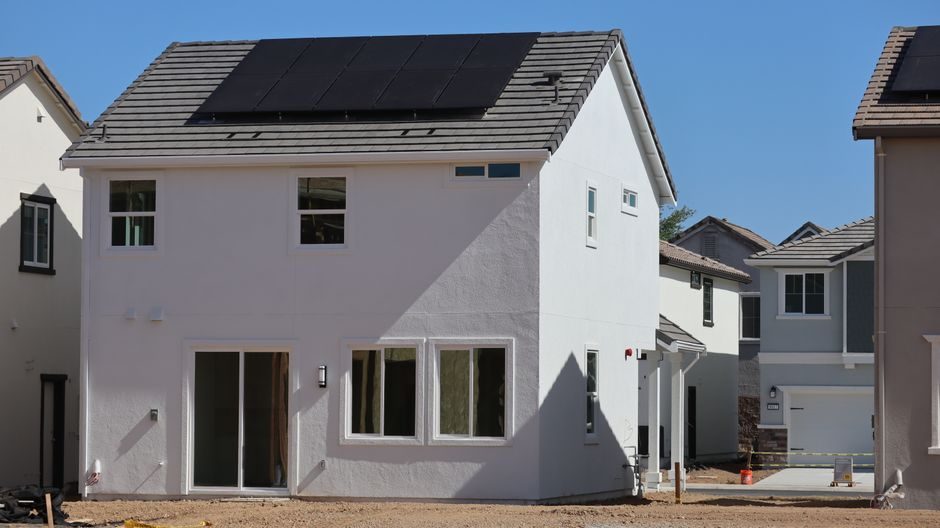
Ask what routine checks the system needs and which tasks a homeowner can safely do. The installer should explain how to monitor output, spot warning messages, and keep equipment clear of obstructions without opening electrical enclosures. Include any recommended inspections or service visits in your ownership plan, and ask whether those services are optional or required for warranty coverage.
Solar panels have few moving parts, but the wider system can still need attention. Inverter or battery faults, damaged wiring, roof work, and communications problems can require professional service. Ask about likely service arrangements, response procedures, and whether replacement parts or labor are covered; do not assume an equipment warranty pays every repair-related cost.
Keep the final design, wiring diagrams, warranty documents, and commissioning information with your home records. Note how to shut the system down safely if instructed, and make sure every household member knows where the system documentation is stored. A clear handover matters if you move, change installers, or need a qualified electrician to work near the equipment.
Allow for changing household demand
Estimate future electricity use before deciding whether the proposed system will still suit your home. An electric vehicle, heat pump, home extension, or change in occupancy can increase demand, while efficiency improvements may reduce it. Share likely changes with the installer and ask how they affect system size, inverter selection, and the value of adding storage.
If you may add a battery later, ask whether the initial inverter and electrical design can support that option. Confirm what additional equipment, wiring, approvals, and installation work a later upgrade would require; “battery-ready” can mean different things in different proposals. Compare the cost of preparing now with the cost and disruption of a future modification.
Avoid paying for capacity based only on an uncertain future plan. Ask for estimates that show current household use separately from expected added loads, and check the assumptions behind any projected savings. Your final choice should fit a realistic pattern of electricity use and local export rules, while leaving a practical route to adapt the system if needs change.
- List likely new electrical loads
- Ask about inverter and battery compatibility
- Compare preparation now with later upgrades
- Use realistic household consumption assumptions
Frequently asked questions
Can I estimate a solar system’s cost from its size alone?System size is a useful starting point, but it cannot determine the full installed cost. Equipment choice, roof access, mounting needs, electrical upgrades, permits, and labor all affect a quote. Compare proposals with the same capacity and equipment assumptions, then check what work is included. A smaller quote may omit essential tasks or use different equipment, so request a detailed written scope.
Should I include a battery in my first cost estimate?Price the solar system and battery as separate options, then compare both against your household’s electricity use and local export arrangements. A battery can add equipment, electrical work, and installation costs, while its practical value depends on when you use power and what surplus electricity is worth under your tariff. Ask the installer to show the assumptions behind any savings estimate rather than relying on a bundled total.
Why do solar quotes for similar homes differ?Quotes can use different panels, inverters, mounting systems, and labor assumptions even when homes appear similar. Roof condition, shading, access, electrical upgrades, approval requirements, and export limits can also change the scope. Ask each installer to state system capacity, estimated generation, included work, exclusions, and warranty coverage. Once the assumptions match, differences in price and service are easier to evaluate.
What should I do before accepting a solar quote?Check the installer’s qualifications and insurance, compare the written scope with your other proposals, and confirm who handles permits and grid approval. Read the equipment and workmanship warranties, review payment stages, and ask how extra work must be approved. Resolve unanswered questions in writing and ensure the final contract identifies the equipment and services you expect before signing.
Make the estimate useful before you commit
A useful solar estimate is more than a single total: it shows the system design, expected output, equipment, labor, exclusions, approvals, and warranty responsibilities. Compare quotes built on similar assumptions, verify the installer’s credentials, and keep the written answers together. Treat battery costs and future upgrades as distinct decisions, and check local grid and export requirements before judging the likely household savings.
Your next step is to collect recent electricity bills and request itemized proposals from qualified installers who have assessed your roof. Use one comparison sheet for every quote, then follow up on missing scope, approval responsibilities, and warranty details. When the proposals are clear and comparable, you can choose based on the full cost and service offered, not just the most appealing headline figure.

Add Solar Panels for Homes as a preferred source on Google

