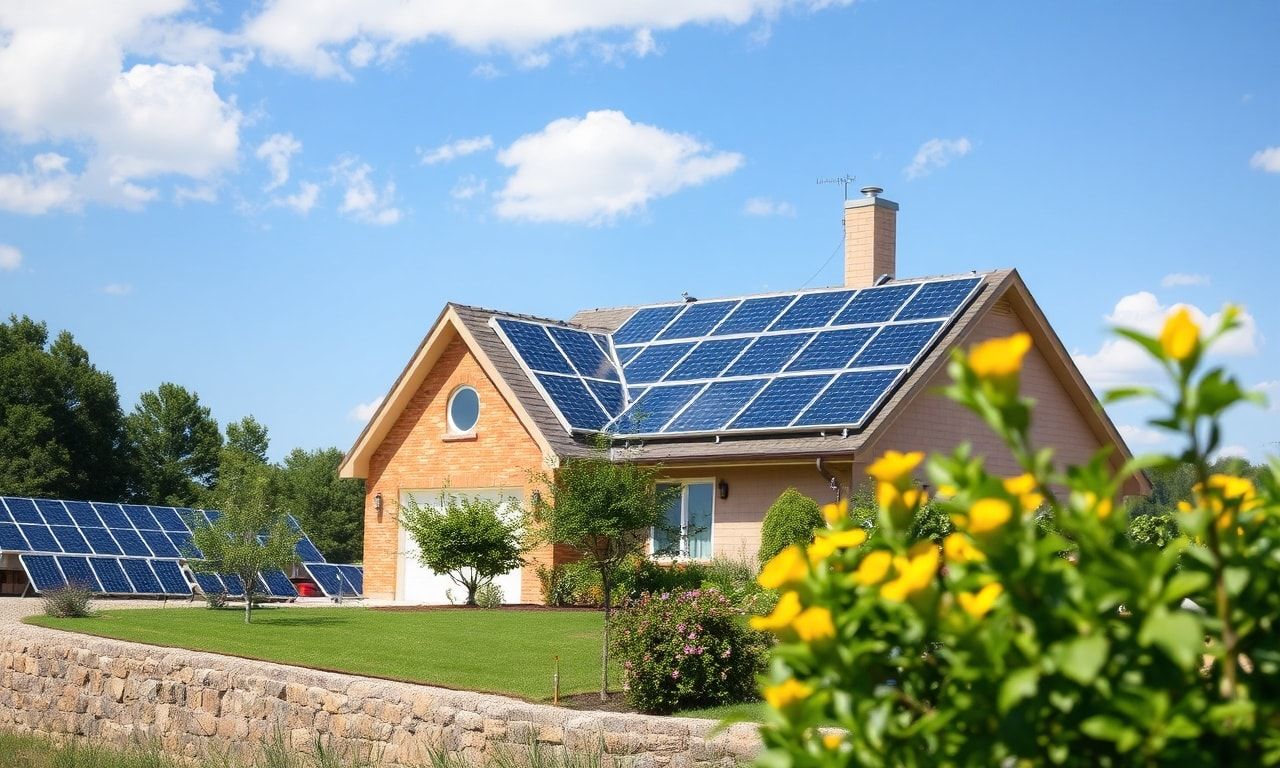
The Rise of Solar Power in Real Estate
The real estate market is witnessing a significant shift towards sustainable living, with solar power leading the charge. Homebuyers are increasingly prioritizing energy efficiency and eco-friendliness, driving demand for properties equipped with solar power systems. This trend is not only beneficial for the environment but also offers long-term financial advantages for homeowners. As the real estate market evolves, integrating solar power into residential properties has become a key selling point, enhancing property values and attracting environmentally conscious buyers.
The Benefits of Solar Power for Homeowners
Investing in solar power for homes brings a multitude of benefits. Firstly, it significantly reduces electricity bills, as homeowners generate their own energy. Secondly, solar power systems can increase the resale value of a property. Studies have shown that homes with solar panels sell faster and at higher prices compared to those without. Additionally, many governments offer tax incentives and rebates for homeowners who install solar power systems, making the initial investment more affordable. Lastly, solar power contributes to a reduced carbon footprint, aligning with the growing global emphasis on sustainability.
Financial Incentives and Rebates
One of the most compelling reasons to consider solar power for homes is the array of financial incentives available. Governments worldwide are offering tax credits, rebates, and grants to encourage homeowners to adopt solar energy. These incentives can substantially lower the upfront costs of installing solar panels. For instance, in the United States, the federal solar tax credit allows homeowners to deduct 26% of the cost of installing a solar energy system from their federal taxes. Similar incentives are available in other countries, making solar power a financially viable option for many homeowners. Additionally, some utility companies offer net metering programs, where homeowners can sell excess solar energy back to the grid, further reducing their electricity costs.
Environmental Impact and Sustainability
The environmental benefits of solar power are undeniable. By harnessing the power of the sun, homeowners can reduce their reliance on fossil fuels, which are major contributors to air pollution and climate change. Solar power systems produce no greenhouse gas emissions during operation, making them a clean and sustainable energy source. Moreover, solar panels have a long lifespan, typically lasting 25-30 years, and are made from recyclable materials. By choosing solar power, homeowners are making a positive impact on the environment and contributing to a more sustainable future. This commitment to sustainability is increasingly important to modern homebuyers, who are looking for properties that align with their values.
Integrating Solar Power into Real Estate Development
Real estate developers are recognizing the growing demand for sustainable living and are incorporating solar power into their projects. New residential developments often include solar power systems as a standard feature, appealing to eco-conscious buyers. Additionally, some developers are exploring innovative solutions such as solar-powered communities, where entire neighborhoods are powered by solar energy. These communities often include shared solar arrays, energy storage systems, and electric vehicle charging stations. By integrating solar power into real estate development, developers can attract a wider range of buyers and enhance the marketability of their properties. Furthermore, these sustainable features can differentiate their projects in a competitive market, setting them apart from traditional developments.
The Role of Electric Vehicles in Solar-Powered Homes
As the popularity of electric vehicles (EVs) continues to rise, the integration of EV charging stations into solar-powered homes is becoming increasingly important. Homeowners with solar power systems can use the excess energy generated by their panels to charge their electric vehicles, further reducing their reliance on the grid. This synergy between solar power and electric vehicles creates a more sustainable and self-sufficient lifestyle. For real estate developers, incorporating EV charging stations into new developments can enhance the appeal of their properties. Buyers are increasingly looking for homes that support their eco-friendly lifestyle choices, and the ability to charge an electric vehicle at home is a significant factor in their decision-making process. To learn more about the charging times of different electric vehicles, you can visit elektrikli araba şarj süresi karşılaştırması.
Future Trends in Solar Power and Real Estate
The future of solar power in real estate looks promising, with several trends set to shape the market. One notable trend is the increasing affordability of solar power systems, driven by technological advancements and economies of scale. As the cost of solar panels continues to decrease, more homeowners will be able to afford this sustainable energy solution. Another trend is the integration of smart home technology with solar power systems. Smart home devices can optimize energy usage, monitor solar production, and manage energy storage, providing homeowners with greater control over their energy consumption. Additionally, the growth of community solar programs allows homeowners who cannot install solar panels on their properties to benefit from solar energy. These programs enable multiple households to share the benefits of a single solar array, making solar power more accessible to a wider range of homeowners.
Innovations in Solar Technology
Innovations in solar technology are also driving the adoption of solar power in real estate. Advances in battery storage technology, for example, allow homeowners to store excess solar energy for use during periods of low sunlight or high energy demand. This enhances the reliability and efficiency of solar power systems, making them a more attractive option for homeowners. Additionally, the development of building-integrated photovoltaics (BIPV) enables solar panels to be integrated into the design of buildings, providing both aesthetic and functional benefits. BIPV systems can be incorporated into roofs, windows, and facades, seamlessly blending solar technology with architectural design. These innovations are making solar power more versatile and appealing to a broader range of homeowners and real estate developers.
Government Policies and Regulations
Government policies and regulations play a crucial role in promoting solar power in real estate. Many governments are implementing policies that encourage the adoption of solar energy, such as renewable energy targets, feed-in tariffs, and net metering programs. These policies create a favorable environment for solar power, making it a more viable and attractive option for homeowners and developers. Additionally, building codes and zoning regulations are being updated to accommodate solar power systems, ensuring that new developments can easily incorporate solar technology. As governments continue to prioritize sustainability and renewable energy, the real estate market is likely to see further growth in solar-powered properties.
If you’re considering investing in the vibrant Istanbul real estate market, our guide to finding perfect homes in Bakırköy offers essential tips and insights.
As global shifts continue to reshape our world, understanding their impact on the real estate market is crucial; discover how current events influence property investments in our latest feature, global changes and real estate trends.
As the real estate market in the Arab World continues to evolve, understanding the role of technology is crucial; discover how mobile apps drive change in our latest feature.

