Embracing Sustainability in Real Estate
The real estate market is undergoing a significant transformation, driven by the growing demand for sustainable and energy-efficient homes. As environmental consciousness continues to rise, homeowners and investors are increasingly turning to renewable energy solutions, with solar power leading the charge. This shift not only benefits the planet but also offers substantial financial advantages, making it a win-win situation for all parties involved.
The Rise of Solar Power in Residential Properties
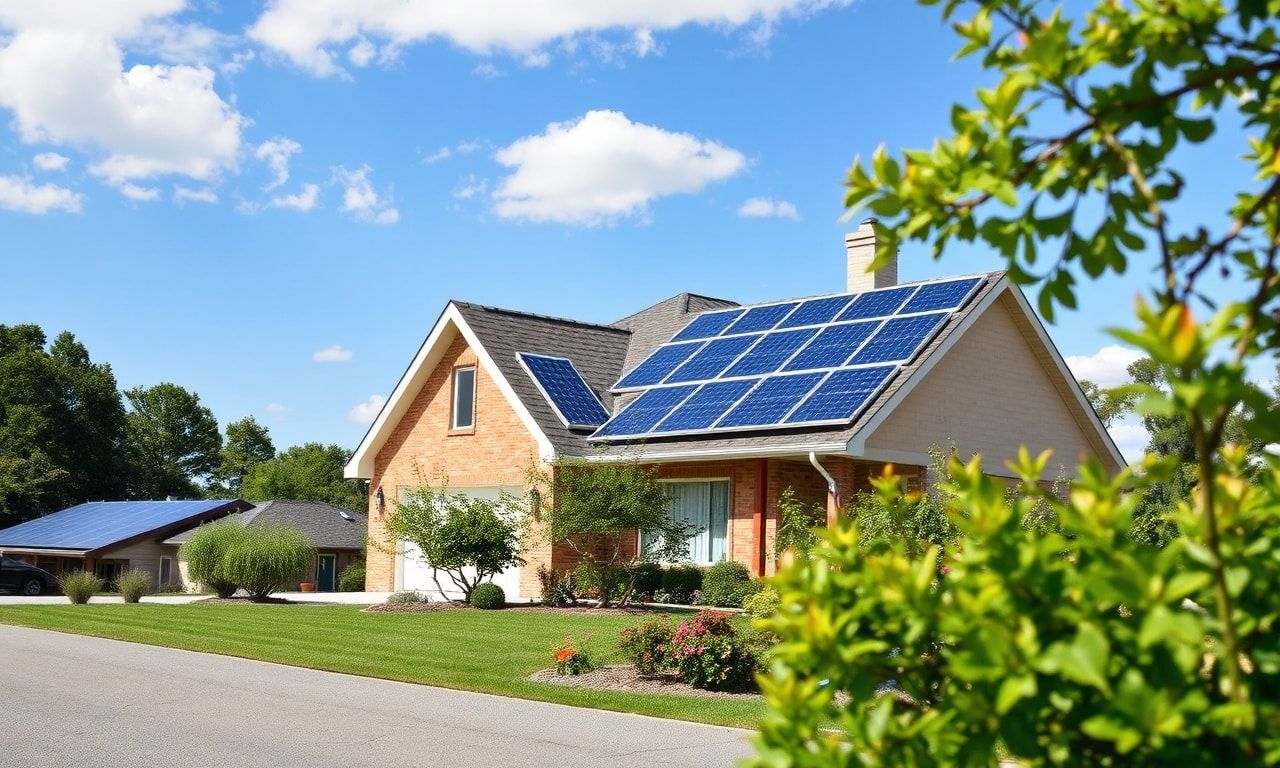
Solar power has become a popular choice for homeowners looking to reduce their carbon footprint and lower their energy bills. The installation of solar panels on residential properties has seen a steady increase over the past decade, thanks to advancements in technology and government incentives. These panels convert sunlight into electricity, providing a clean and renewable energy source that can significantly reduce reliance on traditional power grids.
One of the key benefits of solar power is its long-term cost savings. While the initial investment can be substantial, the return on investment (ROI) is often realized within a few years. Homeowners can save thousands of dollars annually on their energy bills, and in some cases, they may even generate excess energy that can be sold back to the grid. This not only offsets the initial cost but also provides a steady income stream.
Financial Incentives and Government Support
Governments around the world are offering various incentives to encourage homeowners to adopt solar power. These incentives can include tax credits, rebates, and grants, which can significantly reduce the upfront costs of installing solar panels. For example, in the United States, the federal solar tax credit allows homeowners to deduct 26% of the cost of installing a solar energy system from their federal taxes. Similar incentives are available in many other countries, making solar power an attractive option for both homeowners and investors.
In addition to financial incentives, many governments are implementing regulations that require new buildings to include renewable energy sources. This is part of a broader effort to reduce greenhouse gas emissions and combat climate change. As a result, real estate developers are increasingly incorporating solar power into their projects, ensuring that they meet regulatory requirements and appeal to environmentally conscious buyers.
The Impact of Solar Power on Property Values
One of the most significant benefits of installing solar panels is the positive impact on property values. Studies have shown that homes equipped with solar power systems tend to sell for higher prices than those without. This is due to the growing demand for energy-efficient homes and the long-term cost savings associated with solar power. Buyers are willing to pay a premium for properties that offer lower energy bills and a reduced carbon footprint.
Furthermore, solar-powered homes often attract a specific demographic of buyers who prioritize sustainability and environmental responsibility. These buyers are typically more affluent and willing to invest in properties that align with their values. As a result, real estate agents and developers are increasingly marketing solar-powered homes to this niche market, further driving up demand and property values.
Marketing Solar-Powered Homes
To effectively market solar-powered homes, real estate professionals need to highlight the unique benefits of these properties. This includes emphasizing the long-term cost savings, environmental benefits, and potential for increased property values. Additionally, leveraging social media platforms can be an effective way to reach a wider audience. For example, using an Instagram follower service for vegan lovers can help real estate agents connect with environmentally conscious buyers who are interested in sustainable living.
Creating high-quality content that showcases the features and benefits of solar-powered homes is also crucial. This can include blog posts, videos, and virtual tours that provide potential buyers with a comprehensive understanding of the property. By utilizing these marketing strategies, real estate professionals can effectively target buyers who are looking for sustainable and energy-efficient homes.
The Future of Solar Power in Real Estate
The future of solar power in real estate looks bright, with continued advancements in technology and increasing demand for sustainable living. As solar panels become more efficient and affordable, they are likely to become a standard feature in new construction projects. This will not only benefit the environment but also provide significant financial advantages for homeowners and investors.
In addition to residential properties, commercial real estate is also embracing solar power. Office buildings, shopping centers, and industrial facilities are increasingly installing solar panels to reduce their energy costs and carbon footprint. This trend is expected to continue as businesses recognize the long-term benefits of renewable energy.
Innovations in Solar Technology
Advancements in solar technology are making it easier and more affordable for homeowners and businesses to adopt solar power. For example, the development of solar shingles and solar windows allows for seamless integration of solar panels into the design of buildings. These innovative solutions not only provide a clean energy source but also enhance the aesthetic appeal of properties.
Furthermore, the use of energy storage systems, such as batteries, allows homeowners to store excess solar energy for use during periods of low sunlight. This ensures a consistent supply of renewable energy and further reduces reliance on traditional power grids. As these technologies continue to evolve, the adoption of solar power in real estate is expected to grow exponentially.
Conclusion
The intersection of real estate and sustainability is a growing trend that offers numerous benefits for homeowners, investors, and the environment. Solar power has emerged as a leading renewable energy solution, providing long-term cost savings, increased property values, and a reduced carbon footprint. As the demand for sustainable living continues to rise, real estate professionals must adapt their marketing strategies to appeal to environmentally conscious buyers. By embracing solar power and other renewable energy solutions, the real estate industry can play a crucial role in creating a more sustainable future.