
Winter Home Energy Saving Tips That Work With Solar
Cut winter energy use with practical heating, insulation and control tips. Learn how solar affects household demand and when equipment upgrades make sense.

To save energy at home in winter, reduce heat loss first, then adjust heating schedules and temperatures to match when rooms are occupied. Seal obvious drafts, close curtains after dark, and keep radiators or vents clear. If you have solar, use appliances during daylight where practical, but remember that shorter days and heating demand can limit solar’s contribution.
Start with changes that are easy to reverse and check their effect on comfort and energy use. A room-by-room walk-through can reveal cold drafts, unused heated spaces, or controls that are set to run longer than necessary.
This guide explains why winter demand rises, how heating energy is used, and which low-cost adjustments to try before considering equipment changes. It also covers sensible control settings and common mistakes that can undermine savings.
- Reduce drafts and heat loss before considering new equipment.
- Match heating schedules to occupied rooms and daily routines.
- Use bills or meter readings to assess changes without assuming they reveal the cause.
- Treat winter solar as a helpful contribution, not a guarantee of heating coverage.
Why Winter Energy Use Rises at Home
Cold Weather Raises Heating Demand
Heating usually accounts for more household energy in cold weather because indoor warmth escapes through walls, roofs, floors, windows and air leaks. The colder it is outside, the more work a heating system may need to do to maintain the same indoor temperature. Long periods at home can add demand when more rooms need heating for longer.
- Check which rooms are occupied most often.
- Look for drafts around doors and windows.
- Note when the home feels coldest.
- Compare those times with the heating schedule.
A simple example is a home that feels comfortable during a mild afternoon but cools quickly after sunset. As the difference between indoor and outdoor temperatures grows, heat loss continues even when nobody is using a room. Drafts around doors or poorly sealed windows can make the problem more noticeable and encourage people to turn up the heating.
Solar panels can still generate electricity in winter, but shorter daylight hours and cloudy weather may reduce available output compared with sunnier seasons. Heating demand can also rise in the evening, when panels are no longer producing. Treat solar generation as one part of the household energy picture rather than assuming it will cover winter heating.
- Notice which rooms cool fastest.
- Check for drafts around windows and doors.
- Compare heating schedules with actual occupancy.
Daily Habits Shape Demand
Household routines affect winter energy use as much as the weather does. Heating every room to the same level, leaving systems on while the home is empty, or warming rooms before anyone needs them can add avoidable demand. Review when people wake, leave, return and go to bed before changing settings.
Different homes need different schedules: a household working from home may need steady warmth in one room, while a family out during the day may prefer heating timed around morning and evening routines. Renters can often adjust thermostats, timers and curtains without altering the building. Check tenancy rules before making permanent changes to the property.
Home-energy businesses sharing practical guidance may find MediaKit.uk useful for promoting a service, but householders should base heating decisions on their own home and energy use. For everyday planning, focus on changes you can observe, such as whether a room stays comfortable after lowering its scheduled heating period. Small trials make it easier to spot what works.
Understand Where Your Heating Energy Goes
Trace Heat Through the Home
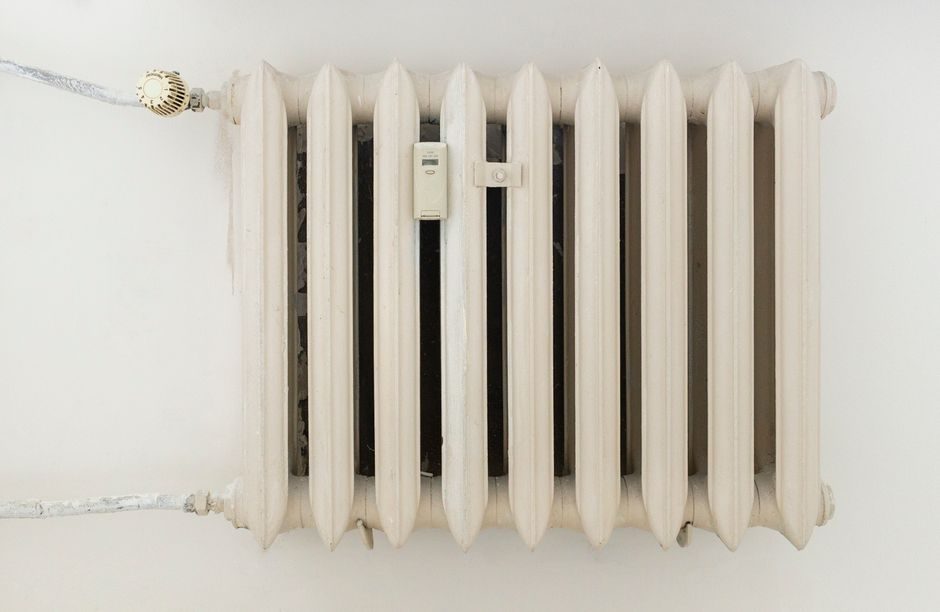
Begin by identifying where heat leaves the home and where warmth is needed most. Check window frames, external doors, loft hatches and gaps around pipes for drafts, then note rooms that stay colder than others. The pattern can point to a building issue, an uneven heating system or a control setting that needs attention.
- Drafts can indicate unwanted air leakage.
- Cold surfaces can affect comfort even when room air feels warm.
- Usage records help you assess changes, but do not diagnose the cause.
Heat can escape through the building fabric as well as through gaps that let outside air in. A cold surface near a window may feel uncomfortable even if the room’s air temperature is reasonable, while a steady draft suggests air leakage. These clues help distinguish a sealing problem from a need to heat the whole home more.
If you have access to energy bills or an in-home display, compare usage across similar winter periods and note changes in heating routines. Readings cannot identify the exact source of heat loss, but they can show whether a schedule change coincides with lower consumption. Home-energy businesses may use guest posting services uk to share advice, but readers should judge claims by their evidence and relevance.
- Check for drafts at doors and windows.
- Notice cold rooms and chilly surfaces.
- Compare energy use before and after a change.
Separate Heating From Other Loads
Household electricity use includes lighting, cooking, hot water, appliances and, in some homes, electric heating. Gas or other fuel use may be recorded separately, so one bill may not show the full picture. Check which energy sources your home uses before drawing conclusions about what is driving winter costs.
A heat pump, electric heater or immersion water heater can increase electricity demand when it runs, while a gas boiler uses fuel and still needs some electricity for controls and pumps. Solar generation may offset some electrical use during daylight, but it cannot directly reduce a separate fuel bill. Understanding these distinctions helps set realistic expectations.
Look at the timing of energy use as well as the total. A high evening reading may reflect cooking, heating, hot water or several activities together, so change one routine at a time where possible. If your meter provides half-hourly or daily information, use it to spot patterns rather than treating every change as proof of a single cause.
Reduce Heat Loss Before Changing Equipment
Seal Drafts and Use Curtains
Deal with obvious drafts before replacing heating equipment: close gaps around movable doors and windows with suitable removable seals, and use curtains to reduce heat loss after dark. Keep curtains clear of radiators so warmth can circulate into the room. In rented homes, choose reversible measures and ask the landlord before permanent work.
A draft excluder at an external door can reduce cold air entering at floor level, while a correctly fitted window seal can help with air leaks around the frame. Do not block purpose-made ventilation grilles or vents, which help manage moisture and indoor air quality. If condensation or damp appears, address ventilation as well as warmth.
Curtains work best when closed at night and opened during bright winter daylight if sunlight reaches the room. This lets available sunshine warm indoor surfaces while reducing heat loss after dusk. Check that blinds and curtains do not cover thermostats or obstruct heaters, since trapped heat can lead controls to misread room conditions.
- Fit removable draft seals where air leaks are clear.
- Close curtains after daylight fades.
- Keep ventilation grilles and heater fronts unobstructed.
| Option | Best suited to | Watch for |
|---|---|---|
| Removable draft seal | Gaps around doors or windows | Do not block ventilation |
| Curtains at night | Windows exposed to cold | Keep fabric clear of heaters |
| Loft insulation check | Owner-approved building work | Use qualified advice where needed |
| Floorboard gap treatment | Noticeable floor-level drafts | Check for pipes and services first |
Choose Practical Fabric Improvements
Prioritize improvements that suit the building and your permission to make changes. A renter might use a door draft stopper or heavier curtains, while an owner may investigate loft insulation or gaps around floorboards. Start with accessible, low-disruption steps, then seek qualified advice before altering insulation or ventilation in a way that could create moisture problems.
Insulation slows heat transfer through parts of the building, while draft sealing reduces uncontrolled air movement; they address related but different causes of heat loss. A home can benefit from both, yet sealing alone will not correct a cold roof or poorly insulated wall. Consider the whole room and building rather than expecting one product to solve every comfort issue.
Check that any temporary measure does not create a new hazard or make a door difficult to open. Do not cover electrical fittings, combustion air supplies or required ventilation openings. If a room remains unusually cold despite straightforward measures, record what you have tried and ask a landlord or building professional to inspect the underlying cause.
Set heating periods around when rooms are actually used rather than running heat continuously by default.
Set Heating Controls for Comfort and Efficiency
Match Schedules to Occupancy
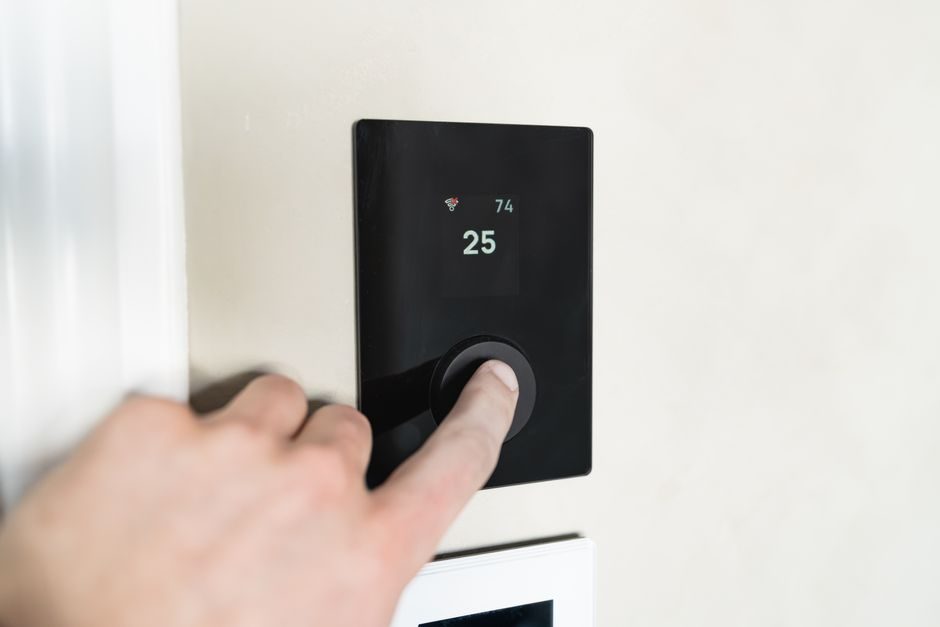
Set heating periods around when rooms are actually used rather than running heat continuously by default. Use a timer to warm occupied spaces before people need them, then reduce or switch off heating during empty periods if the system allows. Test one schedule change at a time and check whether comfort remains acceptable.
- Mistake: heating an empty home on the usual schedule; better approach: adjust periods to occupancy.
- Mistake: placing a thermostat near a radiator; better approach: use a representative location.
- Mistake: changing several settings at once; better approach: test one adjustment and review comfort.
A thermostat measures temperature where it is placed, so keep it away from direct sunlight, drafts, radiators and appliances that give off heat. Otherwise, it may respond to local conditions rather than the general room temperature. If the control is in a hallway, remember that its reading may not match a colder bedroom.
When comparing heating-control advice, remember that cheap press release distribution promotes announcements; it does not verify energy-saving claims. For your own home, check whether advice explains the control type, the change being recommended and any comfort or safety trade-offs. Follow the system manual when adjusting unfamiliar settings.
- Schedule heat for occupied periods.
- Keep the thermostat away from direct heat and drafts.
- Review comfort after changing one setting.
Use Zones and Setbacks Wisely
If your system has room or zone controls, heat the spaces you use without treating every room as equally occupied. Keep doors closed where appropriate to limit warmth spreading into unused areas, but avoid letting rooms become so cold that damp or condensation becomes a concern. Follow the system’s guidance for minimum settings and safe operation.
A lower setting during sleep or while the home is empty can reduce heating demand, but the right choice depends on the building, occupants and heating system. People who are older, unwell or otherwise vulnerable may need warmer conditions, so comfort and health take priority over a rigid energy target. Make changes gradually and pay attention to how everyone feels.
Solar households can shift flexible electricity use toward daylight when generation is available, but heating controls should still serve comfort first. Timers can help coordinate hot water or other flexible loads if the equipment supports it, while battery settings may affect when stored energy is used. Check your system’s instructions before changing unfamiliar operating modes.
Make the Most of Solar Power in Winter
Shift Flexible Electricity Use
Run flexible electrical tasks when your panels are producing, rather than automatically scheduling them for the evening. A dishwasher, laundry load, or water-heating cycle may use more of your own solar generation if it runs during daylight, provided the appliance and household routine allow it.
Check your inverter or energy app to see when generation typically rises and falls at your home. Winter daylight is shorter, and cloud can change output from one day to the next, so use the display as a guide rather than assuming the same schedule will work every day.
Avoid shifting a task if it creates a safety, comfort, or appliance-use problem. For example, do not leave wet laundry sitting for long periods just to wait for brighter weather, and follow the appliance maker’s instructions for delayed starts and ventilation.
Use Stored Energy Wisely
If your home has a battery, check its operating settings before changing your daily routine. Some systems reserve stored energy for outages or set aside capacity for particular periods, so an assumption that the battery is available for evening heating may not match its actual configuration.
Compare the battery’s charge and discharge pattern with your household’s evening use over several ordinary days. If it empties early, consider whether high-demand appliances are running together or whether the reserve setting needs review, rather than repeatedly changing settings without checking the effect.
A battery cannot make more solar electricity than the panels generate, and winter production may not refill it fully each day. Keep a realistic expectation: stored power can shift some energy from daylight into the evening, but it does not guarantee that all household demand will be covered.
Avoid Common Energy-Saving Missteps

Keep Changes Safe
Do not block ventilation or air vents to keep a room warmer; this can interfere with safe operation of fuel-burning appliances and contribute to moisture problems. If a room feels persistently cold, look for draughts around doors and windows, and seek qualified advice before altering ventilation or heating equipment.
- ☐ Check that vents and flues remain unobstructed.
- ☐ Look for damp or condensation after reducing heat.
- ☐ Read the appliance instructions before changing settings.
- ☐ Compare paid advice with an independent source.
When researching household savings, remember that people may buy sponsored posts, so treat paid placements as promotion rather than independent energy advice. Check whether a recommendation explains its limits, identifies the actual measure being discussed, and can be compared with guidance from a reliable, impartial source.
Avoid turning every radiator or room off without considering how the home is used. A little-used room may need less heat, but very low temperatures can encourage damp in some homes, especially where air circulation is poor or moisture from cooking and bathing is not managed.
- Keep vents clear.
- Check advice against independent guidance.
- Watch for condensation and damp.
- Follow appliance safety instructions.
Avoid False Economy
A lower thermostat setting may reduce heating demand, but comfort and health still matter. If someone at home is older, unwell, or especially sensitive to cold, make adjustments cautiously and follow appropriate health guidance rather than copying a temperature target from an unrelated household.
Do not assume that a quick fix will solve a persistent heating problem. A cold room could reflect poor insulation, a control issue, or a heating system that needs maintenance; note when and where the problem occurs before deciding what action to take.
Be wary of claims that promise large savings without describing the home, the starting conditions, or the work involved. Ask what assumptions sit behind any estimate, and distinguish a potential reduction in energy use from a guaranteed reduction in the bill, which can also depend on tariffs and usage.
Plan Home Improvements Around Your Needs
Prioritise the Main Problem
Choose an improvement by identifying what is making the home uncomfortable or using excess energy, not by starting with the newest equipment. A draughty door, poorly controlled heating zone, or uninsulated accessible area may call for a different response, so record the symptoms before comparing upgrades.
For a larger project, separate household-energy decisions from business promotion: a solar or efficiency company might use white label link building to promote its services, but that does not show whether an upgrade suits your home. Evaluate the proposed work on its technical fit, expected benefits, and evidence.
Ask any installer or adviser to explain how the suggested measure addresses your specific issue. Request clear information about preparation, disruption, maintenance, and any effect on existing solar or heating equipment, so you can compare the proposal with your priorities rather than choosing by headline claims.
Match Work to Your Home
Homeowners can consider lasting changes, while renters may need to focus on reversible measures and ask the landlord before altering the building. Check the tenancy agreement and get permission for changes that affect fixtures, wiring, insulation, or the heating system instead of assuming that a small job is automatically allowed.
Think about how long you expect to stay and which rooms matter most in daily use. A measure that improves comfort in a frequently used living area may be more useful to your household than a broad upgrade that does little for the cold spot you experience every evening.
Before committing, find out whether proposed work could affect existing equipment, warranties, permissions, or access to the property. Keep copies of advice and written approvals, and ask who is responsible for making good any damage or resolving problems if the work does not perform as expected.
Compare Advice and Services Before You Act

Check Provider Credentials
Before hiring someone for an efficiency project, verify qualifications that apply to the specific work and ask for references from comparable jobs. A marketing agency directory may help you find a provider for a future project, but check the contractor’s credentials, insurance, and references separately before agreeing to work.
Ask for a written scope that states what will be inspected, what work is included, and what is excluded. Clear documentation helps you compare proposals fairly and reduces the chance that an important task, such as testing a control or removing old material, is assumed to be someone else’s responsibility.
Check whether the advice accounts for your home’s layout, current heating system, and solar setup rather than relying on a generic package. Invite the provider to explain how the recommendation addresses your stated problem, and ask what further inspection would be needed before a firm estimate is possible.
Compare Proposals Clearly
Compare proposals by their included work, assumptions, and follow-up support, not just by the final figure. Check whether each provider has accounted for access, existing equipment, necessary repairs, and disposal, because exclusions can make two apparently similar offers difficult to compare.
Request an explanation of how any projected energy reduction was estimated and what conditions could change the result. A credible comparison should distinguish likely household savings from comfort improvements and make clear that actual use, weather, tariffs, and system performance can affect outcomes.
Take time to review the paperwork before accepting a recommendation, especially if it involves changing solar, heating, or electrical equipment. Keep questions in writing, confirm who will carry out the work, and avoid making a decision under pressure when key details or responsibilities remain unclear.
Frequently asked questions
Should I run appliances during the day if I have solar panels?Often, shifting flexible tasks such as laundry or dishwashing into daylight can help use solar electricity as it is generated. Check your system’s production display and your household routine rather than assuming every winter day will provide the same output. Avoid changing appliance use in ways that conflict with safety instructions, create damp laundry, or make daily life harder.
Will a home battery cover my evening electricity use in winter?Not necessarily. A battery can store some electricity for later use, but its available charge depends on solar generation, household demand, and its settings. Shorter days and cloudy weather may mean less energy is available to store. Check the system’s actual charge and discharge pattern, and review reserve settings with a qualified installer if you are unsure how they work.
Is it safe to turn off heating in rooms I rarely use?You may be able to reduce heating in a little-used room, but do not block vents or ignore signs of damp and condensation. The right approach depends on the home, the heating system, and the people living there. Make changes gradually, monitor comfort and moisture, and seek qualified advice if rooms remain unusually cold or the system behaves differently.
What should I prepare before asking for an energy improvement quote?Note the rooms that feel cold, when the problem occurs, and any relevant details about your heating or solar equipment. Gather existing system information and list the outcomes you want, such as improved comfort or lower electricity use. Ask providers to explain the proposed work, assumptions, exclusions, qualifications, and maintenance needs in writing so you can compare like with like.
Make Your Next Winter Change Count
Winter savings usually come from matching everyday energy use to the home’s real needs: reduce avoidable heat loss, use heating controls thoughtfully, and shift flexible electricity demand toward solar production when it is available. A battery can move some energy into the evening, but it cannot replace generation that the panels did not produce. Small, measured adjustments also make it easier to spot when a persistent problem needs professional attention.
Start by tracking one cold room and your household’s heating and electricity patterns for several days. Try a safe, low-cost adjustment, then check whether comfort and use change before considering equipment or building work. If an upgrade still seems necessary, ask for a home-specific assessment and compare written scopes, assumptions, and qualifications before making a commitment.
Add Solar Panels for Homes as a preferred source on Google

